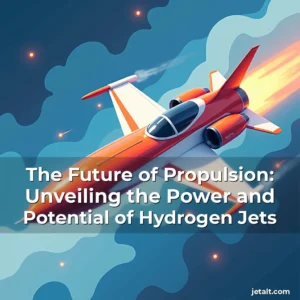

The Future of Flight: How Hydrogen Jets Are Revolutionizing Aviation
In an era where environmental consciousness is reshaping industries, hydrogen-powered aircraft are emerging as a beacon of sustainable innovation. These cutting-edge hydrogen jets promise zero-emission flights by utilizing hydrogen fuel cells that generate electricity through chemical reactions, producing only water vapor as a byproduct. This transformative technology could redefine air travel, offering cleaner skies without compromising speed or efficiency.
As global aviation leaders explore alternatives to fossil fuels, hydrogen jets stand at the forefront of this revolution. The potential applications range from regional commuter planes to long-haul commercial airliners, each presenting unique engineering challenges and opportunities. With governments investing heavily in green energy initiatives, the timeline for widespread adoption may be closer than many anticipate.
The Science Behind Hydrogen Fuel Cells
At the core of every hydrogen jet lies the proton exchange membrane (PEM) fuel cell, which converts hydrogen gas into usable electrical energy. When hydrogen molecules interact with oxygen within the fuel cell’s structure, they produce electricity while emitting pure water vapor as waste. This process occurs efficiently even under high altitudes and extreme temperatures typical of flight conditions.
Fuel cells operate by separating protons from electrons through a specialized electrolyte membrane. As these charged particles traverse different sides of the membrane, they create an electric current that powers the aircraft’s propulsion systems. Unlike traditional combustion engines, this method avoids carbon emissions entirely, making it ideal for environmentally conscious travelers.
The PEM design allows for rapid response times essential during takeoff and landing phases when power demands fluctuate significantly. Engineers have optimized these cells to maintain performance across various atmospheric pressures encountered during ascent and descent cycles. Regular maintenance protocols ensure optimal functionality over extended operational periods.
- High Energy Density: Hydrogen boasts three times greater energy density compared to conventional lithium-ion batteries used in electric vehicles, enabling longer flight durations without frequent refueling stops.
- Rapid Refueling: Unlike battery-electric aircraft requiring hours-long charging sessions, hydrogen tanks can be replenished in minutes similar to current jet fuel operations, maintaining airport turnaround efficiencies.
- Versatile Applications: From small business jets to full-sized commercial airliners, modular fuel cell designs accommodate diverse aircraft configurations while preserving structural integrity requirements.
The integration of advanced materials such as carbon fiber composites enhances both safety margins and weight distribution characteristics crucial for aerodynamic stability. Research continues into improving catalyst efficiency using platinum alloys coated with nanostructured surfaces to maximize reaction rates during energy conversion processes.
Current prototypes demonstrate remarkable thermal management capabilities through embedded cooling channels that prevent overheating issues common in early-stage experimental models. These innovations contribute significantly toward achieving regulatory approval standards set forth by international aviation authorities worldwide.
Environmental Impact and Sustainability Benefits
Airline operators seeking compliance with stringent emission reduction targets now view hydrogen jets as viable solutions. Traditional kerosene-based jet fuels emit approximately 3.16 kilograms of CO₂ per liter burned, whereas hydrogen combustion produces no greenhouse gases whatsoever. This stark contrast positions hydrogen-fueled aircraft as key players in decarbonizing global air transport networks.
Maintenance crews benefit from reduced exposure risks associated with handling hazardous substances typically found in petroleum derivatives. Eliminating oil leaks and toxic exhaust fumes improves workplace safety environments substantially. Additionally, noise pollution levels decrease dramatically due to quieter operation profiles inherent in fuel cell technologies.
Studies conducted by leading aerospace research institutions estimate that transitioning fleets towards hydrogen propulsion could reduce total annual CO₂ emissions by up to 85% globally within two decades. Such projections align closely with Paris Agreement climate goals aimed at limiting temperature rise below 1.5°C above pre-industrial levels.
The production phase presents its own considerations regarding sustainability metrics. While green hydrogen generated via renewable energy sources maintains net-zero status, gray hydrogen derived from natural gas requires careful lifecycle assessments before implementation decisions occur. Ongoing advancements in electrolysis techniques aim to increase overall system efficiencies beyond present benchmarks.
Water vapor output remains a subject of ongoing scientific evaluation concerning potential contributions to cirrus cloud formation effects. Researchers monitor atmospheric impacts continuously to ensure any unforeseen climatic consequences remain well within acceptable thresholds established by meteorological organizations internationally.
Economic Viability and Industry Adoption Trends
The financial implications of adopting hydrogen jet technology extend far beyond initial capital expenditures. Airlines must consider infrastructure modifications required for safe storage and transportation of liquid hydrogen fuel. Existing airports need retrofitting facilities capable of handling cryogenic liquids stored at temperatures near absolute zero (-253°C).
Despite upfront costs being higher than traditional counterparts, lifecycle cost analyses reveal promising economic advantages over time horizons spanning twenty years. Maintenance expenses decline appreciably due to fewer moving parts involved in fuel cell operations versus internal combustion engines needing regular servicing intervals.
Governments play pivotal roles in facilitating industry transitions by providing subsidies and tax incentives designed to offset development costs initially borne solely by private entities. Public-private partnerships enable knowledge sharing between academic researchers and corporate developers working collaboratively toward shared objectives.
Several prominent airline conglomerates have already committed resources toward pilot programs exploring practical implementations of hydrogen-powered aircraft. Early adopter benefits include enhanced brand recognition among eco-conscious consumers who prioritize responsible travel choices when selecting carriers.
Investment trends indicate growing interest from venture capitalists focused specifically on clean tech sectors. Venture funding allocations targeting hydrogen propulsion startups increased by 200% year-over-year according to recent market analysis reports issued by financial consultancy firms specializing in alternative energy markets.
Market competition drives continuous improvements in system reliability and performance indicators measured against standard operating parameters defined by aviation certification bodies. Benchmarking exercises help identify areas ripe for further optimization through material science breakthroughs or software algorithm enhancements.
Technological Challenges and Engineering Innovations
Engineers face formidable obstacles when designing hydrogen jets capable of meeting modern aviation safety standards. Ensuring structural robustness becomes paramount given the low boiling points characteristic of liquefied hydrogen necessitating special containment measures preventing catastrophic failures under pressure fluctuations experienced mid-flight.
Cryogenic storage tanks require composite insulation layers constructed from multi-layered vacuum-sealed foams combined with reflective metallic coatings minimizing heat transfer rates effectively. These protective barriers maintain stable internal temperatures vital for preserving fuel quality throughout entire mission durations regardless of external ambient conditions.
Control systems must integrate seamlessly with existing avionics architectures ensuring compatibility with legacy navigation equipment still widely deployed across global airspace corridors. Retrofitting older aircraft models poses additional complexities requiring extensive testing procedures prior to certification approvals.
Research initiatives concentrate on developing lightweight yet durable containment vessels utilizing graphene-reinforced polymers exhibiting superior tensile strength properties necessary for enduring prolonged exposure to extreme cold conditions prevalent in upper atmosphere regions traversed regularly by commercial airliners.
Advanced monitoring sensors distributed throughout tank structures provide real-time data streams indicating stress distributions along critical load-bearing components. Predictive analytics algorithms analyze this information identifying potential failure modes before they manifest physically observable damage symptoms.
Propulsion system designers experiment with hybrid configurations combining fuel cell outputs with auxiliary power units during transient phases experiencing sudden demand surges. These adaptive control strategies enhance responsiveness capabilities crucial for executing complex maneuver sequences safely executed at cruising altitudes exceeding thirty thousand feet.
Safety Protocols and Regulatory Frameworks
Airlines implementing hydrogen jet operations must adhere strictly to evolving safety regulations governing hazardous material handling practices. International Civil Aviation Organization (ICAO) guidelines establish minimum competency requirements for ground personnel tasked with managing fuel loading processes involving highly volatile substances requiring precise procedural adherence.
Pilot training curricula incorporate emergency response scenarios simulating possible leak incidents or containment breaches potentially occurring during routine maintenance activities. Simulators replicate worst-case situations allowing crew members to practice containment procedures without risking actual harm to human life or property.
Fire suppression systems undergo rigorous evaluations incorporating non-reactive extinguishing agents compatible with hydrogen-specific fire hazards distinct from those posed by hydrocarbon-based fuels currently in use. Testing protocols validate effectiveness across varied environmental conditions replicating real-world operational parameters.
Regulatory agencies mandate periodic inspections verifying compliance with updated technical specifications addressing newly identified risk factors arising from technological advances impacting system vulnerabilities previously undetected during earlier developmental stages.
Data collection mechanisms track incident reports systematically aggregating statistical evidence informing future rulemaking efforts aimed at preemptively mitigating emerging threats before they escalate into larger scale crises affecting broader segments of the flying public.
Collaborative frameworks facilitate cross-border information exchanges between national aviation authorities fostering harmonized approaches towards establishing uniform safety benchmarks applicable universally irrespective of geographic jurisdictions served by multinational carrier operations.
Future Prospects and Market Growth Forecasts
Industry analysts project significant growth trajectories for the hydrogen jet sector over upcoming decades driven primarily by increasing regulatory mandates pushing airlines toward greener alternatives. By 2035, market size estimates suggest value propositions reaching $2 billion annually with projected CAGR figures hovering around 15% through 2040.
Regional air taxi services represent particularly attractive niches poised for early market penetration owing to shorter route distances better aligned with current hydrogen storage capacities available commercially today. Urban mobility platforms integrating aerial ride-sharing components could leverage this burgeoning technology to offer premium transport options catering to affluent customer bases willing to pay premiums for environmentally friendly experiences.
Long-range transcontinental routes will likely follow suit once breakthroughs occur enhancing onboard storage volumes sufficient to sustain uninterrupted journeys lasting twelve hours or more without intermediate refueling pauses disrupting passenger schedules unnecessarily.
Infrastructure developments parallel technological progressions with dedicated terminal expansions planned at major hubs accommodating specialized handling facilities equipped appropriately for managing cryogenic cargo shipments securely transported between locations interconnected via strategically positioned refueling stations spaced optimally along primary trade corridors.
Emerging economies witnessing rapid urbanization patterns present lucrative expansion opportunities for manufacturers supplying customized aircraft tailored specifically for local market needs featuring modified cabin layouts prioritizing comfort features favored by discerning clientele accustomed to luxury amenities synonymous with high-end charter services.
Continuous R&D investments directed toward refining manufacturing techniques yield incremental gains reducing unit production costs progressively over successive generations of product iterations following Moore’s Law-like progression curves observed historically within semiconductor industry paradigms applied selectively here within aerospace contexts.
Conclusion
Hydrogen jets represent a paradigm shift in aviation history marking transition away from centuries-old reliance upon petrochemical propellants toward embracing renewable resource utilization principles central to achieving planetary ecological balance objectives outlined explicitly in international climate accords ratified globally.
The journey ahead involves overcoming substantial hurdles ranging from infrastructural transformations demanding massive capital outlays to resolving lingering uncertainties surrounding long-term viability assurances required convincing skeptical stakeholders hesitant about diverting precious resources toward unproven ventures perceived as speculative rather than pragmatic necessities dictated purely by existential imperatives confronting humanity collectively facing unprecedented existential threats stemming primarily from anthropogenic climate change phenomena accelerating rapidly beyond previous predictive models developed based on historical datasets insufficiently accounting adequately for compounding feedback loops amplifying warming effects exponentially.