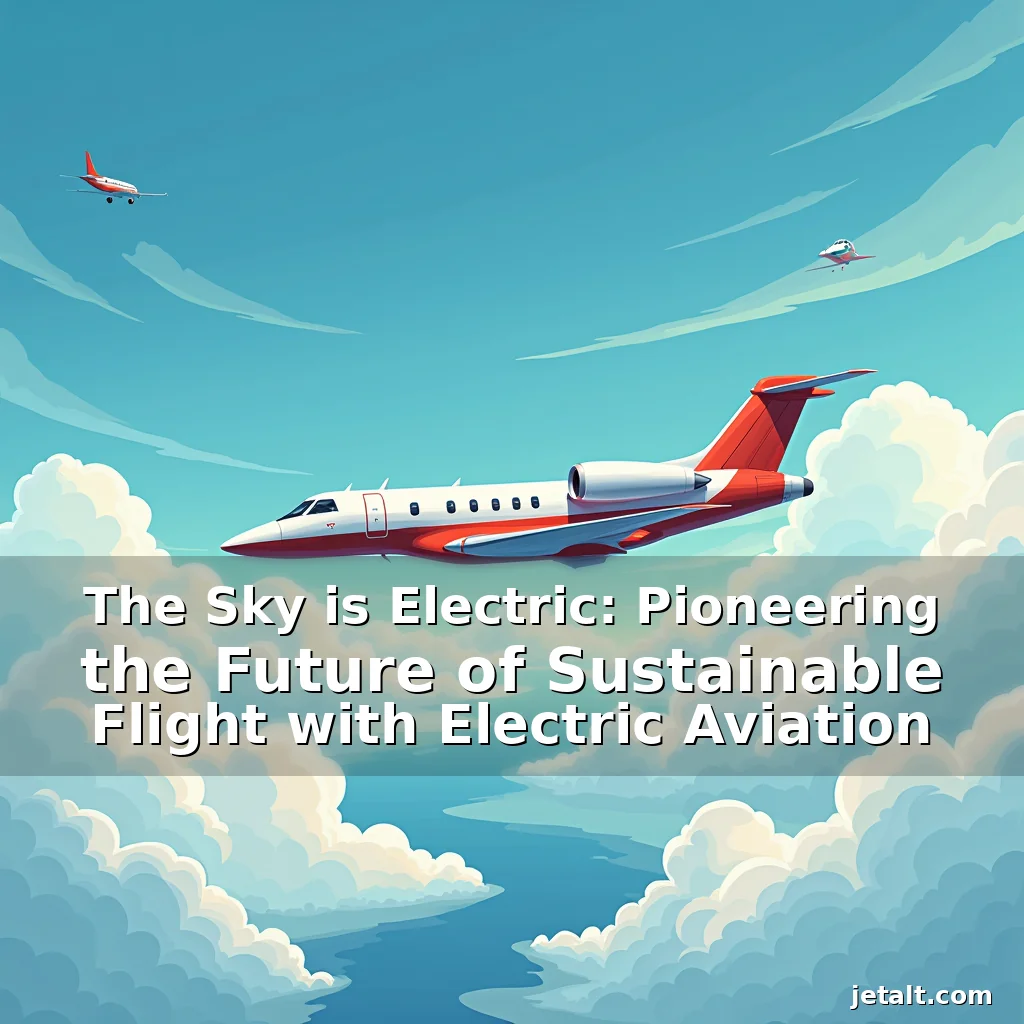
The Sky is Electric: Pioneering the Future of Sustainable Flight with Electric Aviation
In an era where environmental consciousness shapes technological innovation, electric aviation emerges as a groundbreaking solution to reduce carbon emissions from air travel. This revolutionary field combines cutting-edge battery technology, aerodynamic design, and renewable energy sources to redefine how we fly.
Electric aircraft promise not only reduced fuel consumption but also quieter operations that could transform urban mobility and regional transport networks across the globe.
Redefining Air Travel Through Electrification
The shift toward electric propulsion systems marks a pivotal moment in aerospace engineering history. Unlike traditional combustion engines which rely on fossil fuels, these new technologies utilize high-capacity lithium-ion batteries charged via renewable electricity sources such as solar power or wind farms.
This transition significantly reduces greenhouse gas emissions while offering operators lower long-term operational costs due to simplified maintenance requirements and decreased dependency on volatile oil markets.
- Battery Efficiency: Modern electric motors achieve up to 95% efficiency compared to around 35% efficiency seen in conventional piston engines used in general aviation aircraft today.
- No Emissions at Point of Use: Since there are no exhaust fumes produced during flight operations, local air quality improvements become possible especially near airports located within densely populated areas.
Current Innovations Shaping Tomorrow’s Skies
Several pioneering companies have already made substantial progress towards developing practical electric aircraft capable of commercial deployment by mid-century. These innovations span various categories including personal aerial vehicles, cargo drones, and even full-scale passenger airliners designed specifically for short-haul routes.
Prominent examples include Joby Aviation’s five-seater eVTOL (electric vertical takeoff and landing) aircraft set for city-based taxi services, as well as Wright Electric’s ambitious project aiming to replace current transatlantic flights between London and New York using fully electrified planes within two decades.
EVTOLs – The Urban Mobility Revolution
Air Taxi Services: Companies like Volocopter and Lilium are working closely with global cities to establish extensive networks of vertiports where passengers can board autonomous flying taxis powered entirely by electricity. Such initiatives aim to alleviate ground traffic congestion by providing rapid door-to-door transportation options above busy metropolitan landscapes.
Operational Challenges: Despite their potential benefits, implementing widespread use of EVTOLs requires overcoming significant hurdles related to noise regulations, airspace management complexities, and public acceptance regarding safety standards associated with unmanned aerial vehicles operating over crowded environments.
Towards a Greener Aviation Industry
The International Air Transport Association (IATA) estimates that approximately 2.8 percent of global CO₂ emissions originate from civil aviation activities annually. By adopting electric propulsion alternatives alongside other sustainable measures like biofuels and hydrogen-powered engines, this sector stands poised to make meaningful contributions toward achieving international climate targets outlined under agreements such as Paris Agreement commitments.
Moreover, electrifying airport infrastructure through solar panel installations combined with smart grid integration helps further decrease reliance upon non-renewable resources while simultaneously enhancing overall system resilience against future energy price fluctuations.
Challenges Facing Widespread Adoption
Despite its promising outlook, several obstacles hinder mass adoption rates for electrically propelled aircraft worldwide. One primary concern revolves around limited range capabilities currently achievable with existing battery technologies when compared to traditional jet fuel counterparts which provide much greater endurance levels suitable for intercontinental journeys without refueling stops.
Additionally, establishing charging facilities at remote locations poses logistical difficulties particularly relevant for small island nations dependent heavily on regular air freight deliveries essential for maintaining food supply chains and medical emergency responses during natural disasters or pandemics scenarios alike.
- Battery Weight vs Energy Density: Presently available battery packs still possess relatively low energy densities meaning they weigh considerably more than equivalent volumes filled with liquid hydrocarbons commonly found inside modern jet engines’ fuel tanks.
- Infrastructure Development Costs: Transitioning legacy airport terminals equipped primarily for gasoline/diesel fueled planes necessitates expensive modifications involving installation of specialized docking stations along with upgraded electrical grids capable handling enormous amounts instantaneous load demands placed upon them simultaneously.
The Role of Government Policies & Regulatory Frameworks
Governments play crucial roles shaping trajectories followed by emerging sectors like electric aviation through strategic policy formulations aimed at fostering growth conditions favorable both domestically produced technologies and foreign investment opportunities seeking competitive advantages gained via early market entry strategies.
Nation-states actively involved in promoting green technology initiatives often offer tax incentives programs benefitting startups focusing exclusively upon clean energy applications covering wide array of subdomains ranging from microgrids powering isolated communities right down individual consumer electronics products sold commercially off retail shelves nationwide.
- Federal Funding Programs: Agencies responsible overseeing national defense interests sometimes channel portions budget allocations towards supporting R&D projects targeting development phases requiring substantial capital expenditures before reaching maturity stages necessary prior initiating large scale manufacturing runs scheduled ahead timelines aligned with upcoming legislative mandates governing carbon reduction objectives pursued globally.
- International Collaboration Efforts: Multilateral organizations facilitating cross-border cooperation efforts frequently organize symposiums bringing together experts representing diverse geographic regions enabling exchange knowledge about best practices adopted successfully elsewhere thereby accelerating implementation processes locally constrained by differing regulatory regimes previously considered insurmountable barriers preventing timely progress realization goals established jointly among participating countries sharing common sustainability aspirations despite varying economic circumstances impacting feasibility assessments conducted independently within respective jurisdictions affected differently depending upon resource availability distributions observed regionally across continents inhabited collectively billions human beings pursuing collective wellbeing amidst rapidly changing planetary ecosystems undergoing unprecedented transformational shifts driven largely anthropogenic influences.
Future Prospects & Technological Roadmaps
Looking forward, researchers anticipate continuous advancements occurring progressively improving performance characteristics exhibited increasingly sophisticated designs incorporating novel materials science breakthroughs enabling construction lighter yet stronger structural components ideal suited application contexts demanding simultaneous fulfillment stringent weight limitations imposed strict operational constraints coupled heightened durability expectations required ensuring safe reliable service delivery maintained consistently high standards expected industry professionals entrusted managing complex multi-tiered logistics networks spanning vast distances traversed regularly millions travelers engaged daily routines navigating interconnected world facilitated seamless communication channels linking disparate locations irrespective geographical separations once deemed prohibitive impediments restricting access information flow vital sustaining modern civilization reliant efficient transport mechanisms functioning harmoniously coexisting naturally replenished ecological systems preserved carefully balanced manner preserving biodiversity richness inherent nature itself celebrated universally cherished values upheld throughout generations past present future.
Furthermore, hybrid-electric configurations combining elements derived traditional turbine based propulsion methods alongside supplementary auxiliary power units utilizing stored electrical charge strategically deployed optimize fuel economy realize synergistic effects leveraging complementary strengths provided dual mode operation allowing flexible adaptability responding dynamically fluctuating demand patterns encountered real time operational settings necessitating responsive adjustments executed swiftly accurately minimizing downtime maximizing productivity achieved concurrently reducing environmental footprint left behind every journey undertaken contributing positively net positive impact environment sustained health ecosystem supporting life forms thriving therein enduring countless millennia awaiting appreciation gratitude acknowledgment deservedly bestowed upon those striving relentlessly push boundaries explore horizons expand possibilities redefining limits perceived hitherto believed immutable realities now being challenged reshaped according evolving paradigms embraced wholeheartedly ushering dawn era defined truly sustainable living experienced firsthand rather merely theoretical constructs discussed abstractly detached reality.
Conclusion
As we stand at the threshold of a new aviation age, electric aircraft represent not just an alternative form of transport but a fundamental shift in our relationship with the skies.
By embracing electric aviation solutions proactively preparing ourselves迎接 challenges ahead ensures continued prosperity enjoyed generation after generation secured safely responsibly stewardship exercised judiciously balancing developmental needs environmental imperatives ensuring equitable distribution benefits accrued universally accessible regardless socioeconomic status location inhabitant planet Earth shared home nurtured wisely protected vigilantly inherited intact descendants worthy inheritors blessed legacy entrusted guardianship.